Table of Contents
San Diego Wave FC head into the 2026 season with familiar expectations and a very different look. The roster still carries talent capable of competing at the top of the NWSL, but the departures of cornerstone players have forced a necessary reset. None looms larger than the exit of Kailen Sheridan.
For years, the Wave leaned on Sheridan not only as an elite shot-stopper, but as a solution to defensive breakdowns. She swept behind a high line, erased mistakes, and allowed the back line to play aggressively, sometimes too aggressively. With Sheridan gone, the task for 2026 is not to find her clone. It is to build a defense that no longer depends on one player to save it.
As the Wave begin a new chapter under head coach Jonas Eidevall, these five questions will define whether 2026 becomes a bounce-back season or another year of missed opportunity.
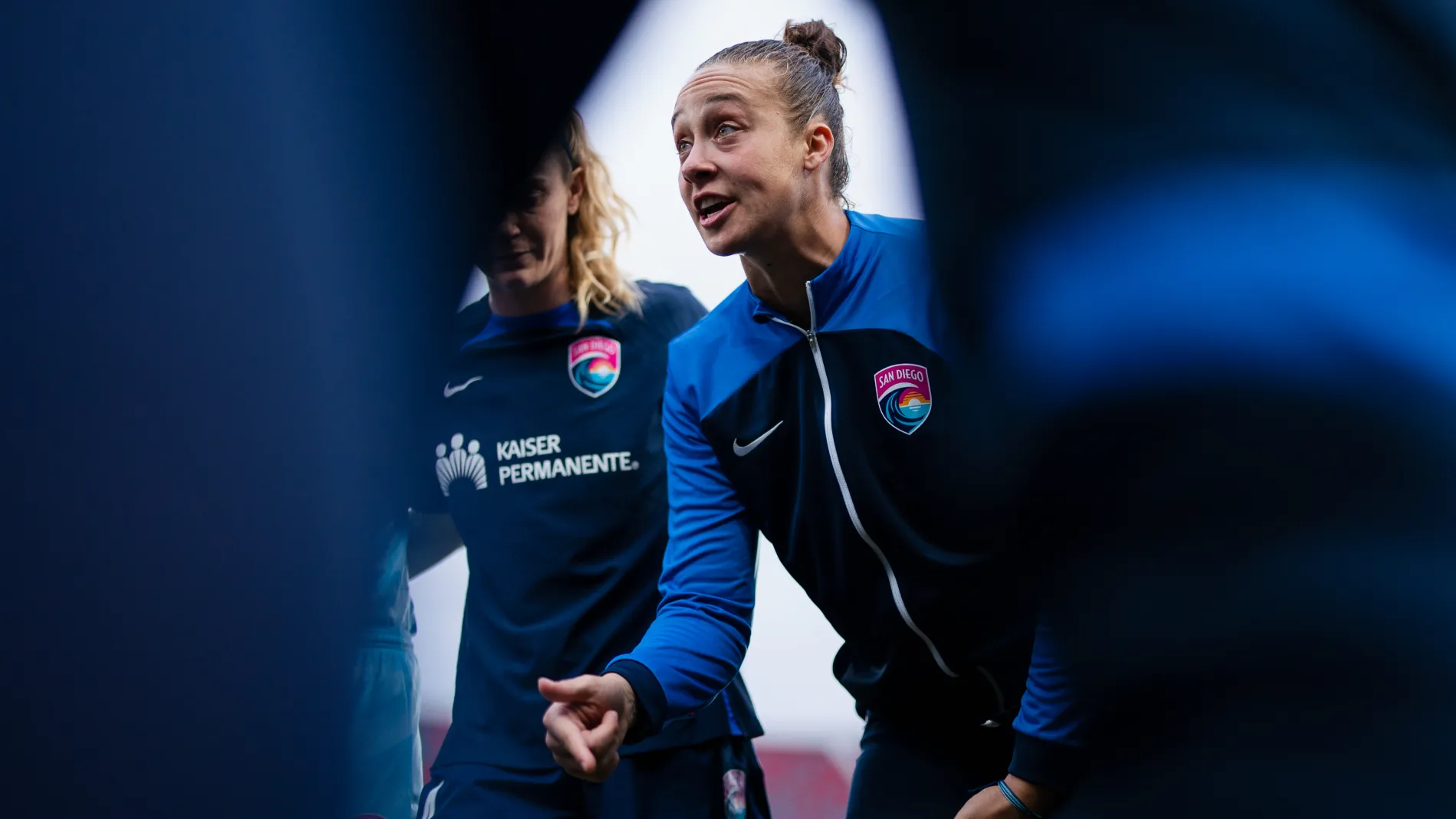
1. Who starts in goal for the Wave in a post-Sheridan era?
Losing Kailen Sheridan changes the feel of the Wave more than any other offseason move. She was a leader, a captain, and often the final answer when defensive shape broke down. But chasing a one-for-one replacement may not be the best path forward.
San Diego have two internal options who deserve real consideration. Didi Haračić is a steady, experienced presence who has stepped in reliably when needed. She knows the league, understands the environment, and does not require the system to revolve around her.
Leah Freeman brings something different. Her collegiate résumé is outstanding, highlighted by multiple Pac-12 Goalkeeper of the Year honors, and she offers a modern profile with strong distribution and confidence playing out of the back.
Sticking with an internal solution also provides flexibility. The Wave avoid using significant cap space or an international slot on a goalkeeper, allowing resources to be spent where they may have a greater impact.
The bigger issue is how the team defended in front of Sheridan. In 2025, San Diego conceded 1.31 goals per match despite leading the league in possession. Too often, defensive mistakes forced Sheridan into constant rescue mode. That is not sustainable for any goalkeeper.
Under Eidevall, the goal should be a more structured defensive approach that limits high-danger chances and reduces reliance on last-second saves. Haračić and Freeman do not need to replicate Sheridan’s heroics. They need a defense that protects them.
If the Wave fix the issues ahead of the goalkeeper, the post-Sheridan transition becomes far less daunting.
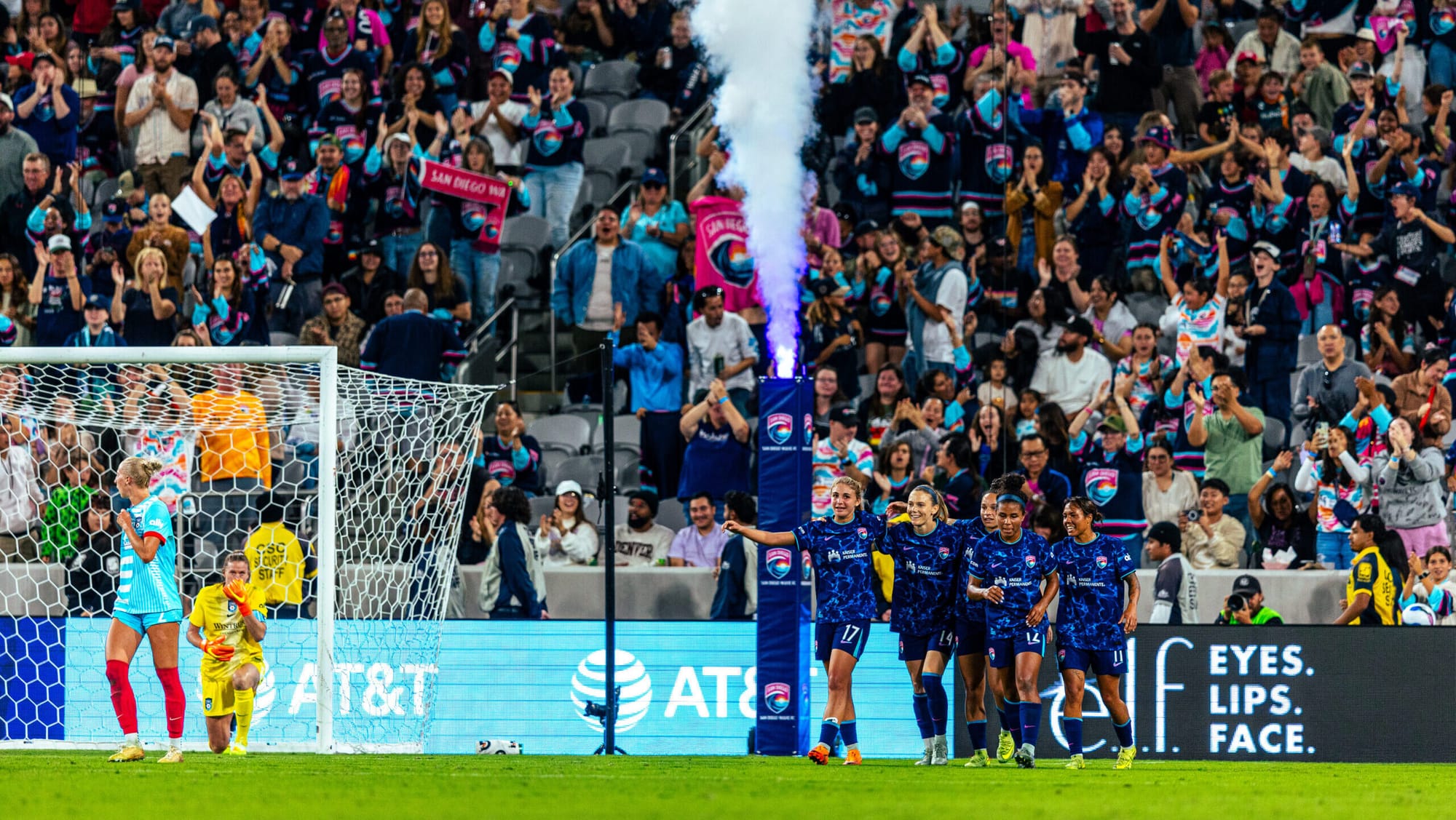
2. Who else do the Wave need to sign to reinforce the team?
If the 2025 season exposed one clear weakness, it was the lack of consistent control in central defense. San Diego dominated possession but struggled to manage physical battles, aerial duels, and set-piece situations. The result was a mid-table goals-against record that did not match the team’s attacking quality.
The Wave allowed 34 goals last season, often in moments where defensive organization failed. The high foul count of 263 suggests defenders were frequently reacting instead of anticipating, forced into desperate challenges after losing position. This is where reinforcements are needed most.
San Diego would benefit from signing a physically dominant, experienced center back who can step in as a regular starter. Not depth. Not rotation. A true anchor. Someone who wins first contact, organizes the line, and brings calm to chaotic moments.
Injuries and rotation issues last season disrupted chemistry in the back line. A durable veteran presence would provide stability, reduce constant reshuffling, and improve communication across the defense.
Just as importantly, a strong center back helps lower the number of fouls and penalties conceded by eliminating situations before they become emergencies.
Financially, this move makes sense. By opting for an internal goalkeeping solution, the Wave free up cap space to invest where it matters most. A single defensive leader can have a ripple effect across the entire team.
If San Diego want to turn possession into points, reinforcing the center of defense should be the top priority.
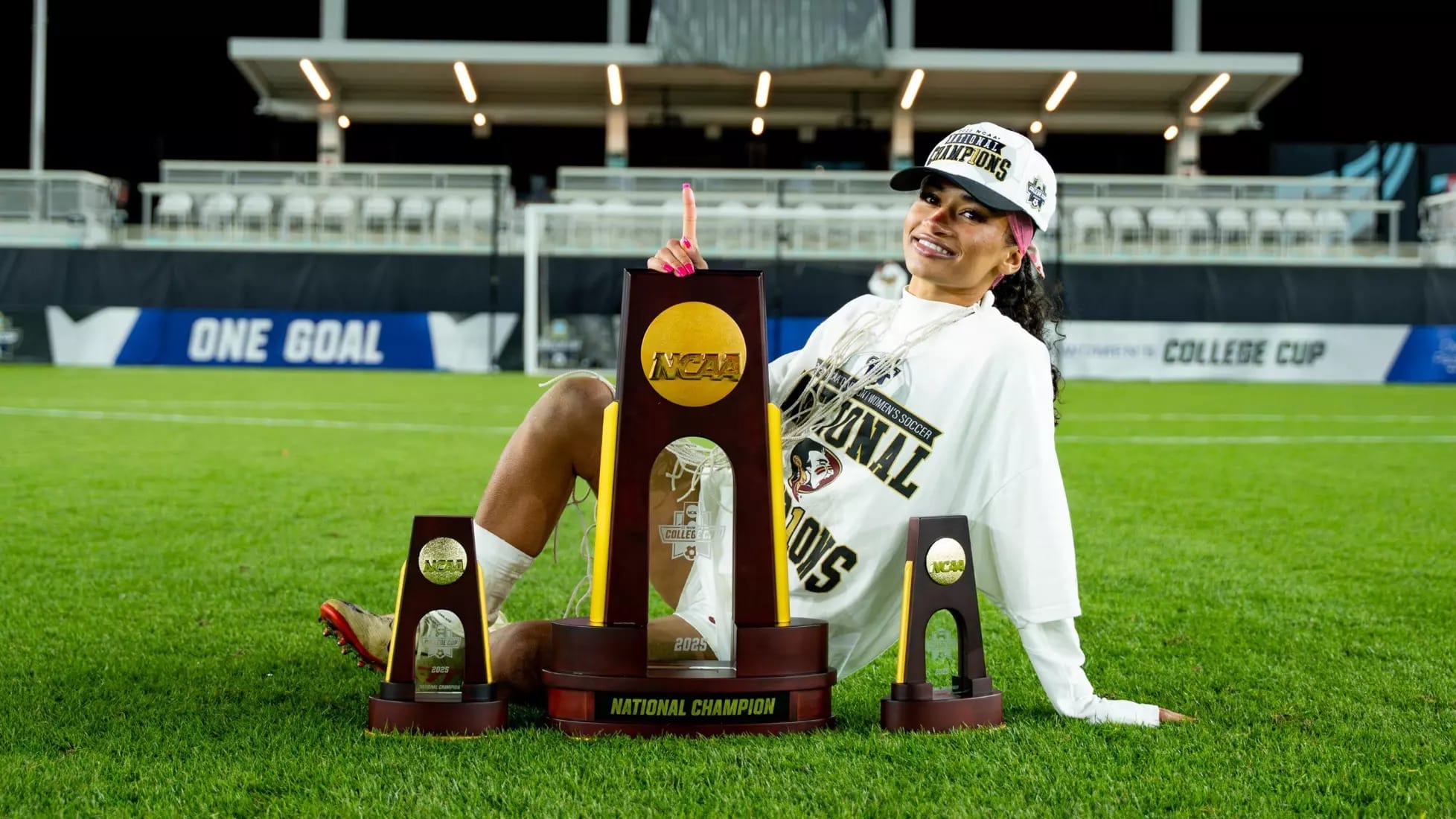
3. Which new signing is best positioned to stand out?
Mimi Van Zanten enters 2026 with a real chance to make an immediate impact. Her profile fits exactly what the Wave need as they look to become more disciplined without losing attacking width.
At Florida State, Van Zanten was part of a defense that recorded 13 shutouts in 2025, including a clean sheet in the NCAA Championship. She also contributed going forward, finishing the season with one goal and five assists. That balance is important for a team that asks its fullbacks to support the attack while remaining defensively responsible.
Although she primarily played left back in college, Van Zanten’s comfort on both feet allows her to transition to the right side. That versatility gives the Wave flexibility and helps maintain balance across the back line.
Her international experience with Jamaica adds another layer. Facing teams like the USWNT and England in 2025 exposed her to the physicality and pace of top-level competition. Those experiences shorten the learning curve that many rookies face in the NWSL.
What makes Van Zanten especially intriguing is her defensive maturity. She is not a reckless defender. She reads the game well, holds her shape, and understands when to delay rather than dive in. On a team that conceded too many transition fouls, that awareness could be invaluable.
If the Wave are serious about improving discipline while staying dangerous in attack, Van Zanten has all the tools to become a key piece of the puzzle.
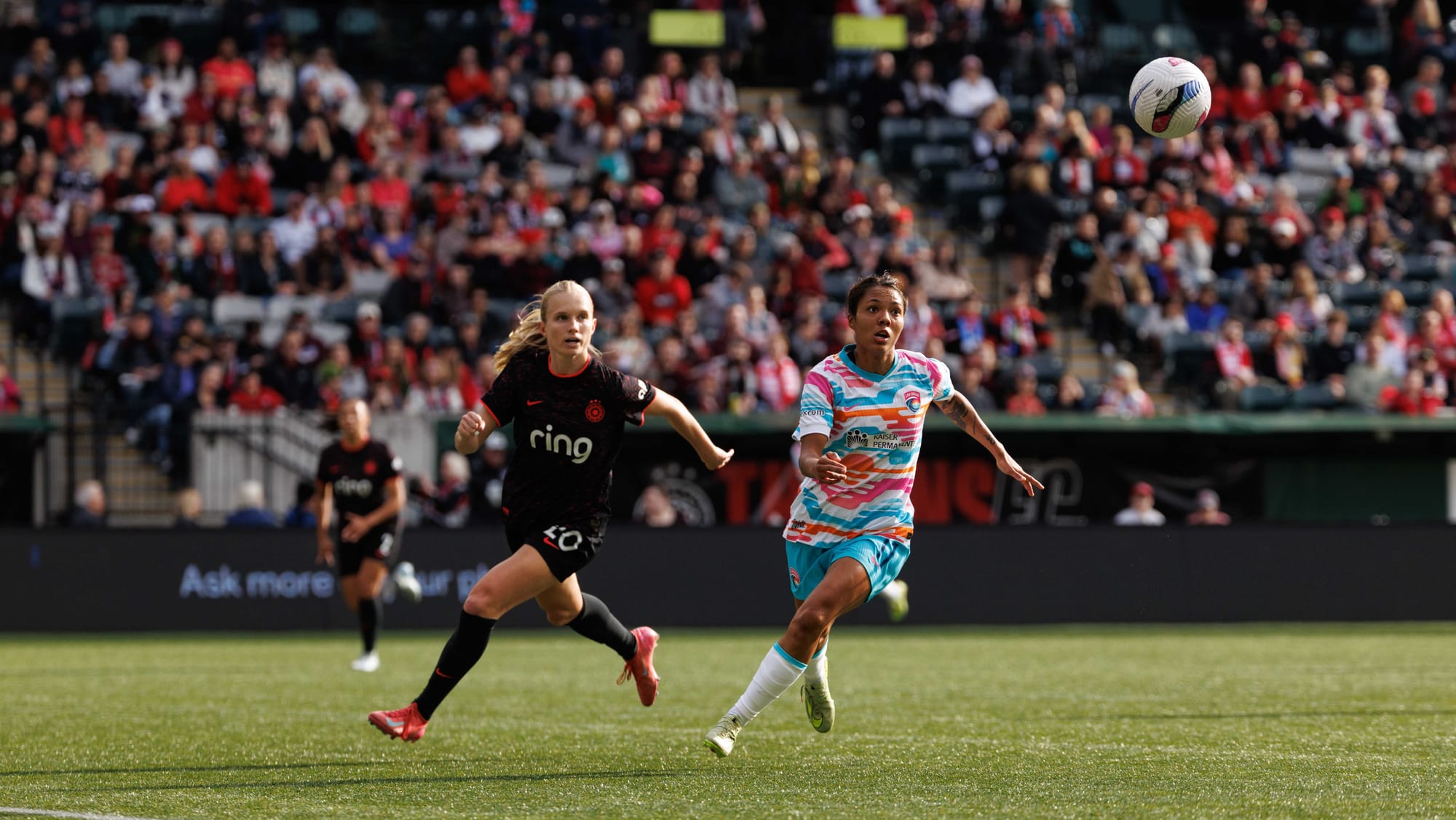
4. How can the Wave improve their discipline?
The biggest challenge for San Diego in 2026 is turning possession into defensive control. Leading the league in possession at 59.6 percent should be an advantage. Last season, it was not.
The Wave committed 263 fouls and conceded five penalties, tying them for third-most in the league. Many of those moments came during defensive transitions, when shape was lost and defenders were forced into last-ditch decisions.
Improving discipline is not about playing softer. It is about defending earlier and smarter. A well-organized back line reduces the need for desperate challenges and limits opponent opportunities from set pieces.
Structurally, San Diego need to move from recovery-based defending to position-based defending. Because they control the ball so often, they must be prepared for what happens when possession is lost. That means managing space, delaying counters, and trusting defensive shape rather than scrambling.
An experienced center back paired with disciplined fullbacks like Van Zanten would allow the Wave to absorb pressure without fouling. That alone could shave multiple goals off the season total.
There is also a mental shift required. The gap between San Diego’s goals-against average and league leaders like Kansas City is too large to ignore. Closing that gap starts with decision-making. Knowing when to step, when to drop, and when conceding space is the smarter option.
If the Wave want to take the next step, discipline has to become a defining feature of their identity.
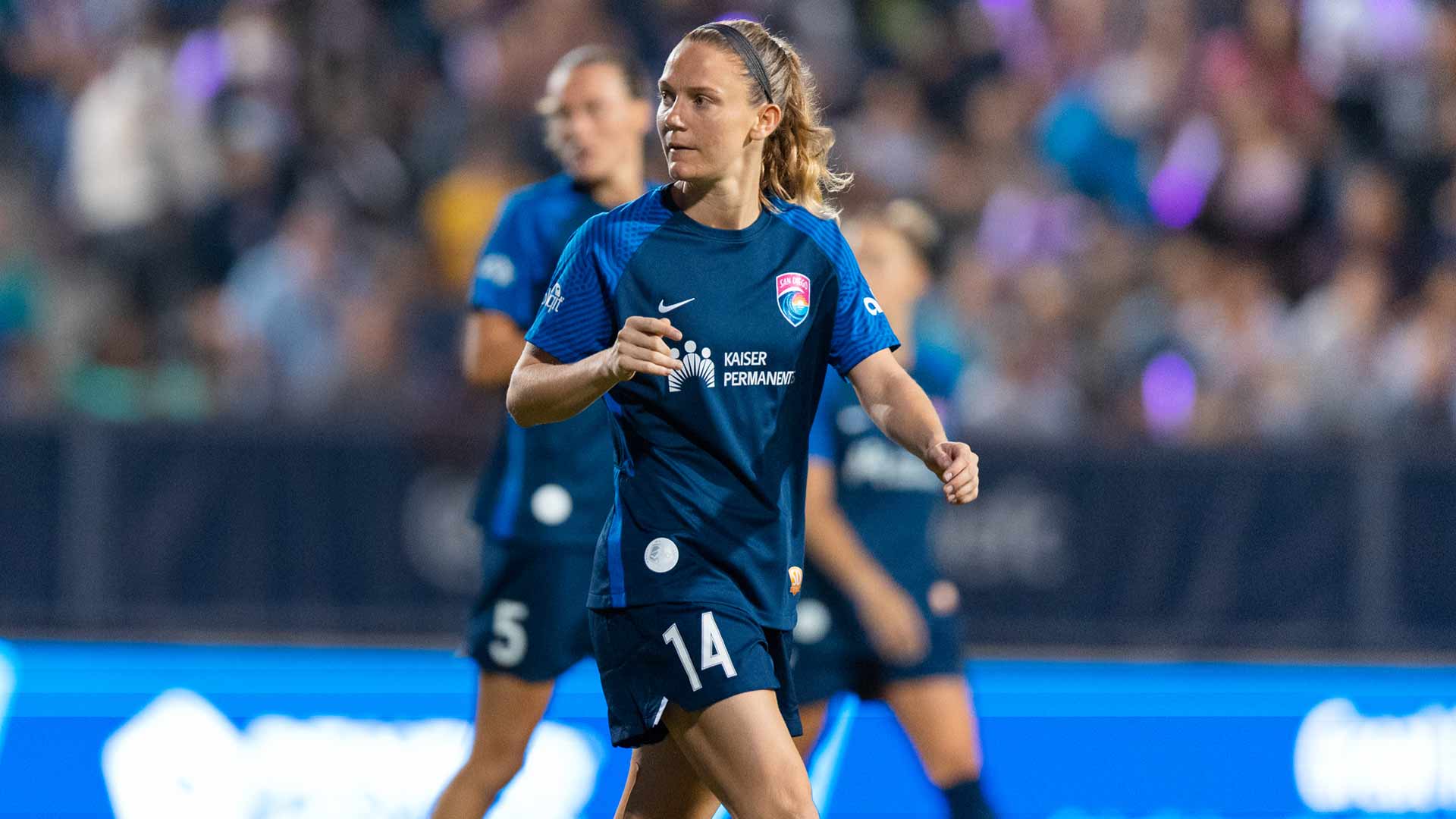
5. Who will emerge as the Wave’s on-field leader?
As San Diego reshape their defensive identity, leadership will matter more than ever. With the departures of Alex Morgan, Naomi Girma, and Kailen Sheridan, the Wave must establish a new voice at the heart of the team.
Kristen McNabb stands out as the strongest candidate. As the last remaining member of the club’s inaugural 2022 squad, she provides continuity and a deep understanding of the Wave’s culture. More importantly, she plays center back, the position where leadership is most needed.
From that spot, McNabb can organize the line, communicate with new goalkeepers, and manage game flow. Her composure is exactly what the Wave lacked in key moments last season.
Sheridan’s leadership often masked defensive disorder. With that safety net gone, responsibility shifts forward. McNabb has already shown she can be a trusted voice, and her calm presence could help younger players avoid the panic moments that lead to penalties and late goals.
Discipline is emotional as much as tactical. A captain who can slow things down, reset focus, and demand accountability could be worth several points over the course of a season.
If 2026 is about redefining how the Wave defend, it should also be about who leads that effort. McNabb fits that role naturally.
The 2026 season represents more than a roster refresh for San Diego Wave FC. It is a chance to reset how this team defends and, in turn, how it wins. The answer is not chasing another goalkeeper asked to erase mistakes, but building a back line that prevents those mistakes from happening in the first place.
If the Wave can pair their possession dominance with defensive structure, discipline, and leadership, the pieces are already in place for a meaningful step forward. The talent is there. Now, the system has to catch up.