
Table of Contents
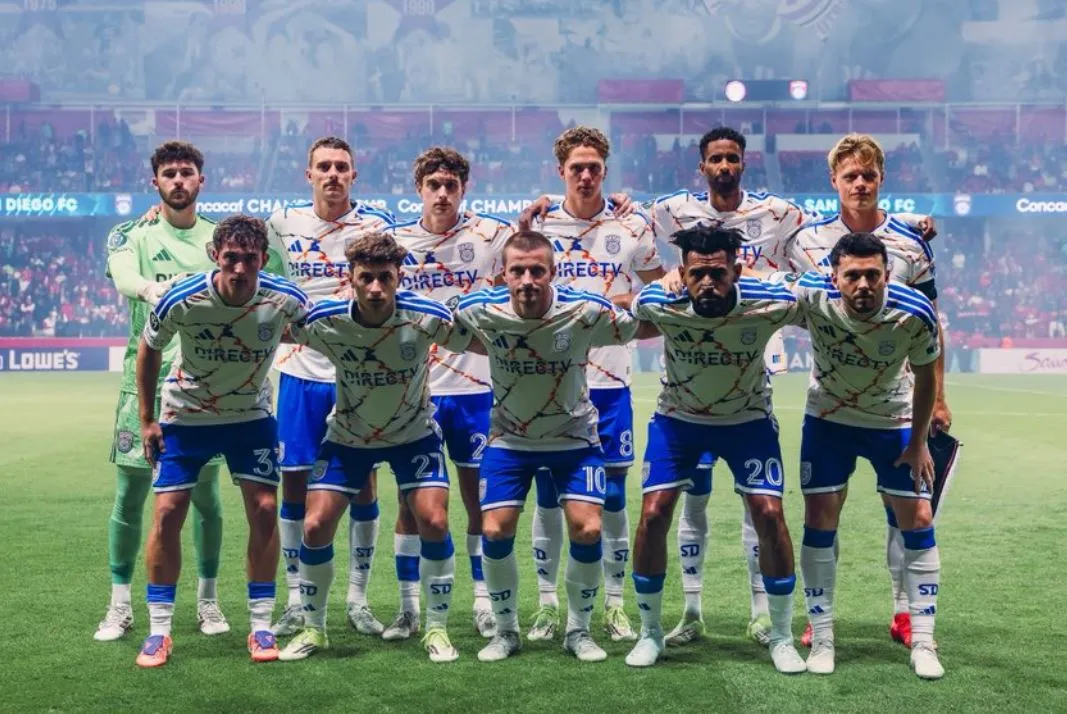
Major League Soccer’s decision to reshape its transfer windows for the 2026 season could have a meaningful impact on how clubs build and adjust their rosters — and for San Diego FC, the timing may prove especially beneficial as the club continues to establish itself in the league.
What Changed?
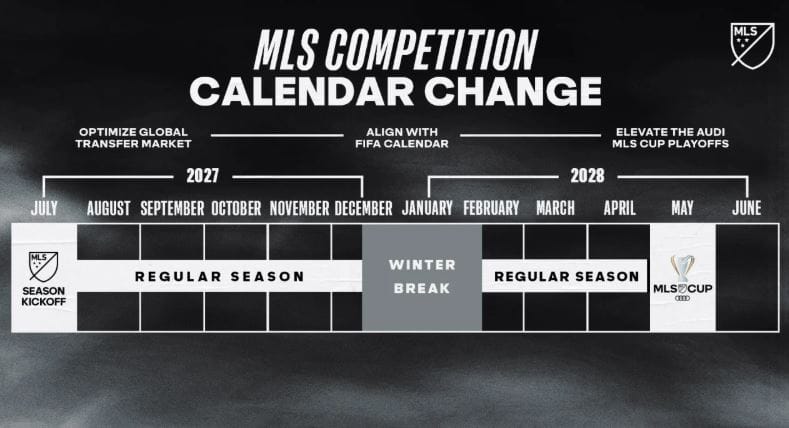
Under the new structure, MLS will operate with two transfer windows: a Primary Window running from January 26 to March 26, and a Secondary Window stretching from July 13 to September 2 (last Summer's window closed on August 21). The key change here is the shortening of the winter transfer window to be able to lengthen the summer window, aligning MLS more closely with the major European leagues.
That alignment matters. By keeping the Secondary Window open deeper into the global transfer calendar, MLS clubs — including San Diego FC — will have greater access to international players who may become available late in the summer. Whether due to shifting roles, stalled negotiations abroad, or players seeking fresh opportunities before European deadlines close, MLS teams now have longer to capitalize.
How This Impacts SDFC
For San Diego FC, that extended window offers flexibility at a critical point in the season. Rather than being locked into its roster well before the playoff push, the club can make targeted additions or adjustments closer to Decision Day, addressing weaknesses exposed during the first half of the campaign or reinforcing depth for a postseason run.
The new calendar also tightens the timeline on the front end. Clubs must be roster- and budget-compliant by February 20, just one day before Matchday 1 of the 2026 season. For SDFC, that places added importance on preseason planning, ensuring that core roster decisions are settled early while leaving room for midseason maneuvering later in the year.
Another important detail is the roster freeze date of October 9, roughly one month before Decision Day on November 7. Between the close of the Secondary Transfer Window and that freeze, clubs are still permitted to sign out-of-contract free agents, offering one last opportunity to reinforce the squad.
Other Notable Changes
MLS also introduced several amendments to roster rules that further expand flexibility.
One of the biggest changes is the removal of limits on cash-for-player trades and loans within MLS. This gives San Diego FC more freedom to make deals inside the league, whether that means adding experienced MLS players or loaning out players who need more playing time.
By also removing age restrictions on loans, clubs now have more flexibility to develop players or make short-term roster adjustments during the season.
Designated Player rules were also tweaked, allowing players acquired via cash trades during the Secondary Window to carry a midseason salary budget charge. That adjustment could prove valuable if San Diego FC identifies a high-impact addition during the summer without wanting to absorb a full-season cap hit.
An Evolving League, A Growing Club
Taken together, the changes point toward a more flexible, globally aligned MLS — one that rewards smart timing and adaptability.
For San Diego FC, a club still building its competitive identity, the new transfer framework offers increased opportunity to respond to the season as it unfolds rather than being constrained by early deadlines.
As MLS continues to evolve, these adjustments signal a league more willing to meet the global market on its terms — and for San Diego FC, that evolution could translate into smarter roster building, stronger late-season pushes, and a clearer path toward sustained competitiveness.