Table of Contents
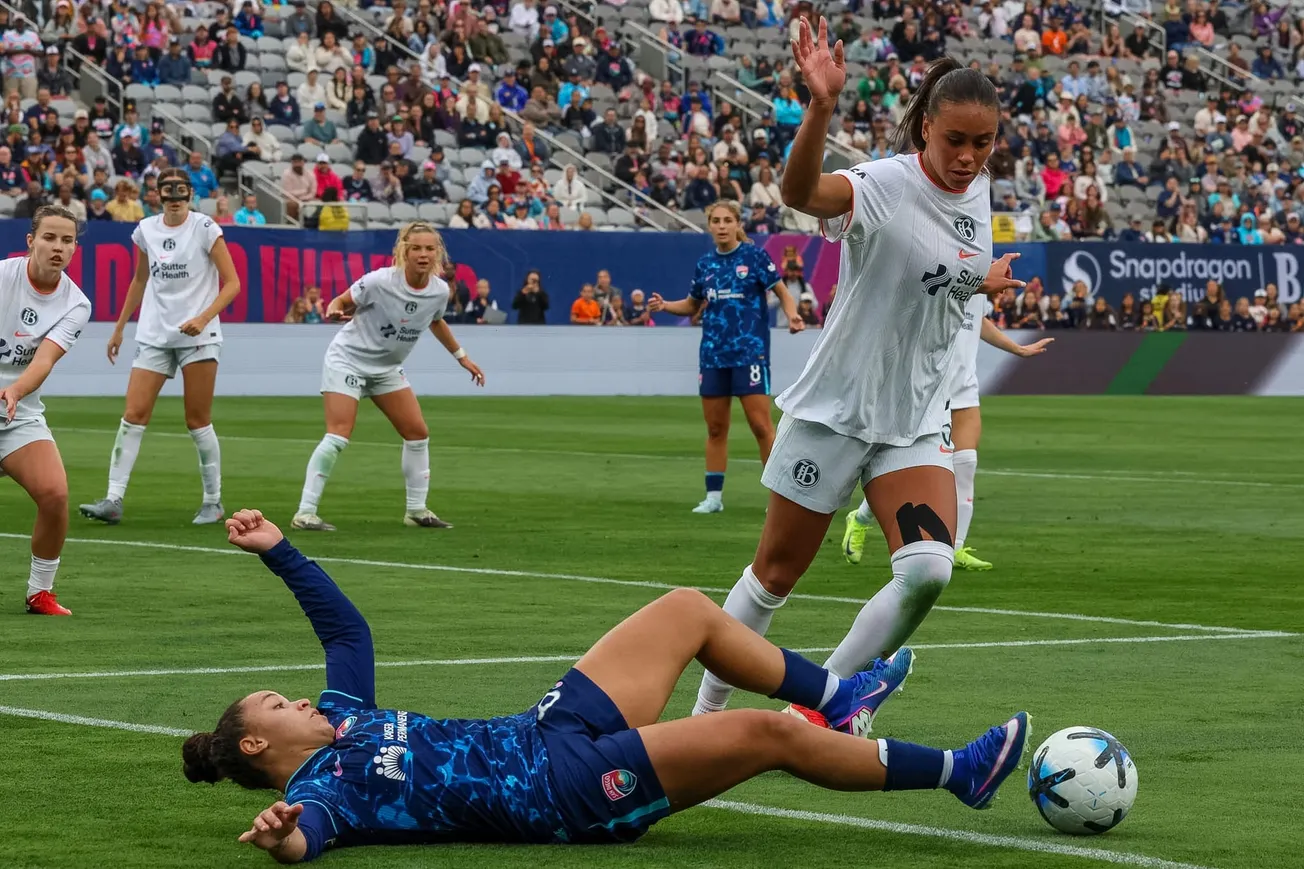
San Diego Wave FC return to action on Friday night for another chapter in one of the NWSL’s growing rivalries, traveling north to face Angel City FC at BMO Stadium in Los Angeles. Kickoff is set for 5:45 p.m. on May 9, with both clubs entering the match eager to respond after difficult results last weekend. San Diego has dropped consecutive matches after previously winning five straight, while Angel City is coming off a 1-0 home loss to the Utah Royals. For the Wave, another major storyline centers around the attack, which has been held scoreless in back-to-back games for the first time this season.
The rivalry itself has remained remarkably even since both clubs entered the league. Across 12 all-time meetings, Angel City holds a slight edge with four wins to San Diego’s three, while five matches have ended level. The goal differential is nearly identical as well, with the Wave scoring 15 goals compared to Angel City’s 14. Their most recent meeting ended in a 1-1 draw, continuing a trend of tightly contested matches often decided by small moments rather than dominant performances. With both clubs sitting near the top half of the table again in 2026, Friday’s meeting carries another layer of importance beyond regional bragging rights.
San Diego will also approach the match with a different voice leading from the technical area. Head coach Jonas Eidevall will serve a one-match suspension after receiving a red card late in last weekend’s loss to Bay FC, meaning assistant coach Becki Tweed is expected to step into a leading role on the sideline. Tweed is no stranger to either rivalry matches or Angel City itself. Before joining the Wave staff ahead of the 2025 season, the English coach led Angel City during the club’s historic unbeaten run in 2023 that secured its first playoff appearance. Her familiarity with both organizations adds another intriguing storyline to an already emotionally charged rivalry matchup Friday night.
Get the best coverage of San Diego FC and San Diego Wave straight into your inbox.
Match Information
Teams: San Diego Wave FC vs Angel City FC FC
Referees: Abdou Ndiaye (Ref), Melissa Beck (AR1), Fernando Fierro (AR2), Trevor Wiseman (4th), Danielle Chesky (VAR), Karen Coulson (AVAR)
Date: May 9th, 2026
Time: 5:45pm, BMO Stadium, Los Angeles, California
TV: Ion
Forecast: 72º/61º. 67º at kickoff. Sunny. 7 mph winds. 0% chance of rain. 69% humidity.
Wave Wins: 3
Wave Goals: 15
Draws: 5
Angel City Wins: 4
Angel City Goals: 14
Last Meeting: Wave 1-1 Angel City
Angel City FC
The Numbers
2026 Goal Leaders: Sveindís Jónsdóttir (3)
2026 Assist Leaders: Sveindís Jónsdóttir (1) | Kennedy Fuller
Last Match: Angel City 0-1 Royals
Angel City FC Overview
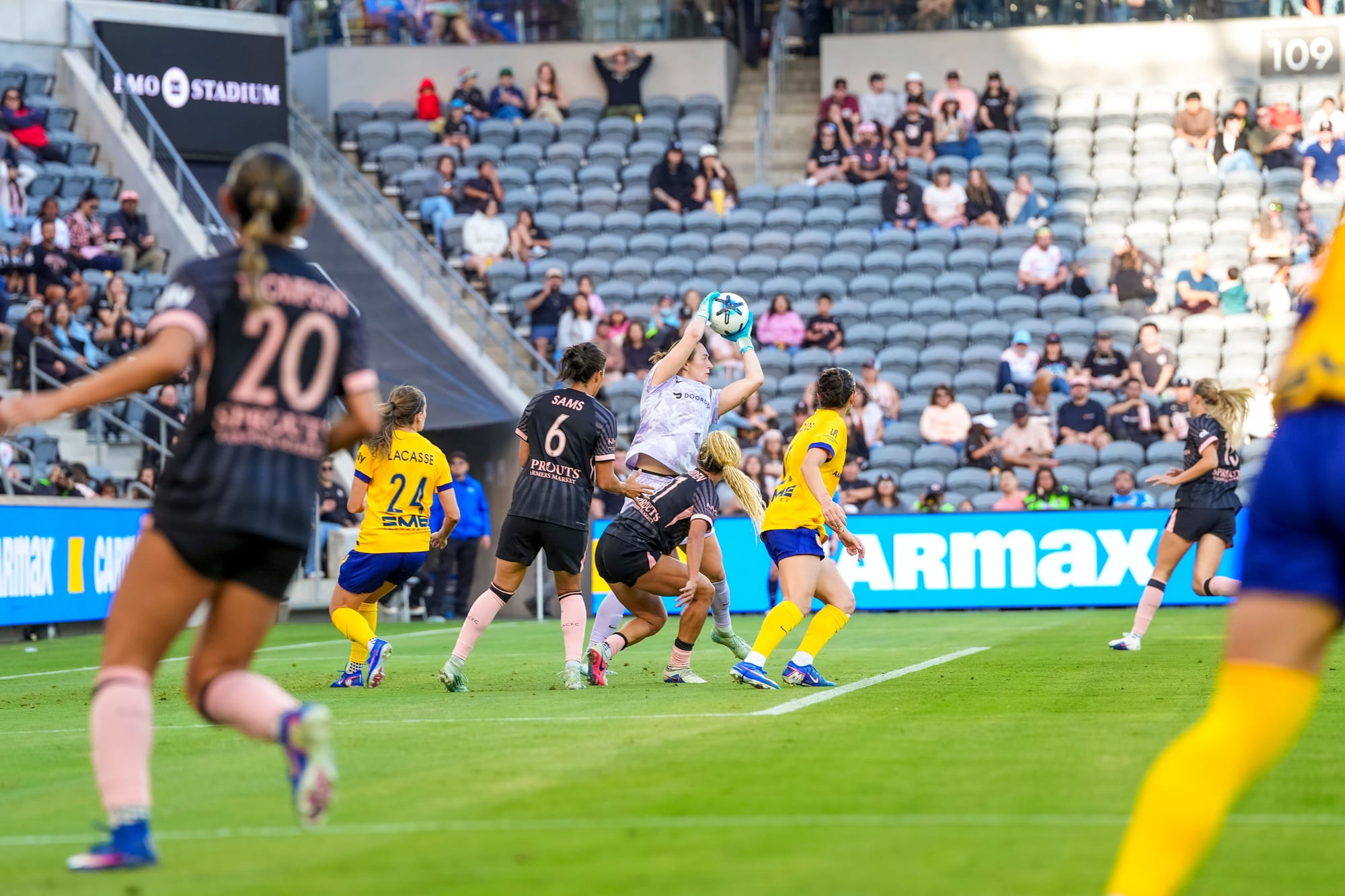
Angel City enters Friday’s matchup coming off a frustrating 1-0 loss to Utah Royals FC, a match that showed both the attacking promise and lingering inconsistency in Alex Straus’ side. Despite controlling 58 percent of possession and outshooting Utah 9-5, ACFC struggled to convert chances and were undone by a first-half goal from Cloé Lacasse. The match shifted further against Angel City just before halftime when midfielder Maiara Niehues received a red card, forcing the hosts to play the entire second half down a player.
Still, the second half may have revealed more about Angel City’s identity than the final score. Even with 10 players, ACFC pushed aggressively for an equalizer and created several dangerous moments through Taylor Suarez, Prisca Chilufya, and Sveindís Jónsdóttir. Suarez, making her second straight start, impressed with her movement and confidence in possession, while Jónsdóttir nearly equalized in the 77th minute with a dangerous run into the box. The loss extended Angel City’s uneven run of form after another narrow defeat against Portland, but the performance also reinforced how dangerous this attack can become once it finds rhythm in transition and wide areas.
Player to Watch
Few players in the NWSL are as physically imposing or direct as Sveindís Jónsdóttir. The Iceland international has quickly become the centerpiece of Angel City’s attack, already recording three goals and two assists this season while consistently stretching defenses with her pace and power. Whether attacking in transition, carrying the ball down the wing, or crashing into the penalty area, Jónsdóttir creates problems that few defenders can comfortably handle for 90 minutes.
YOU’RE GOING TO WANT TO WATCH THIS GOAL 🤯
— The Women's Game (@WomensGameMIB) March 28, 2026
Absolutely insane goal from Angel City’s Svendís Jónsdóttir that starts with her impressive throw-in into the box and ends with her scoring an absolute screamer. No notes.
🎥: @NWSL
pic.twitter.com/vNyApyKoZ4
Her performances early in the season showed exactly how dangerous she can be when given space. Against Bay FC, Jónsdóttir scored twice and added an assist in a dominant display fueled by vertical runs and aggressive pressing. She also scored against Houston with a powerful strike from outside the box and nearly rescued points against Utah with multiple late chances. At 5-foot-10, she also adds another layer of danger on set pieces and long throw situations. San Diego’s back line, particularly Kristen McNabb and Kennedy Wesley, will likely need to limit service into wide channels and prevent Jónsdóttir from isolating defenders in transition. If Angel City finds open grass behind the Wave midfield, Jónsdóttir is the player most capable of turning one moment into a goal.
How the Wave Can Break Through
After going scoreless in consecutive matches, San Diego’s biggest challenge may simply be rediscovering attacking sharpness in the final third. The Wave are still generating opportunities, particularly through Dudinha, Gia Corley, and Kimmi Ascanio driving centrally, but the finishing touch has faded during this recent stretch. Against Angel City, quicker circulation and more aggressive movement behind the defensive line could be key to reopening the attack.
Angel City’s defensive structure under Straus has generally been organized, but there are openings the Wave can target. ACFC’s outside backs, especially Gisele Thompson, push high into the attack, which can leave space available in transition if possession changes quickly. Portland and Utah both found success exploiting moments immediately after turnovers, particularly when Angel City’s midfield line became stretched. Without Niehues available due to suspension, Angel City could also lose some ball-winning presence centrally. That may create opportunities for Kenza Dali and Lia Godfrey to control possession higher up the field and feed runners into dangerous spaces.
The Wave may also benefit from attacking earlier instead of overextending possessions around the box. Angel City has defended prolonged buildup reasonably well this season, but they have looked more vulnerable against direct runs and quick combinations before the defense fully resets. Players like Dudinha and Ludmila thrive when attacking unsettled back lines, and San Diego could look to use early vertical passes or switches of play to isolate defenders rather than relying on slower possession sequences.
San Diego Wave FC
The Numbers
2026 Goal Leaders: Lia Godfrey (4)
2026 Assist Leaders: Dudinha (3)
Last Match: Wave 0-1 Bay
San Diego Wave FC Overview
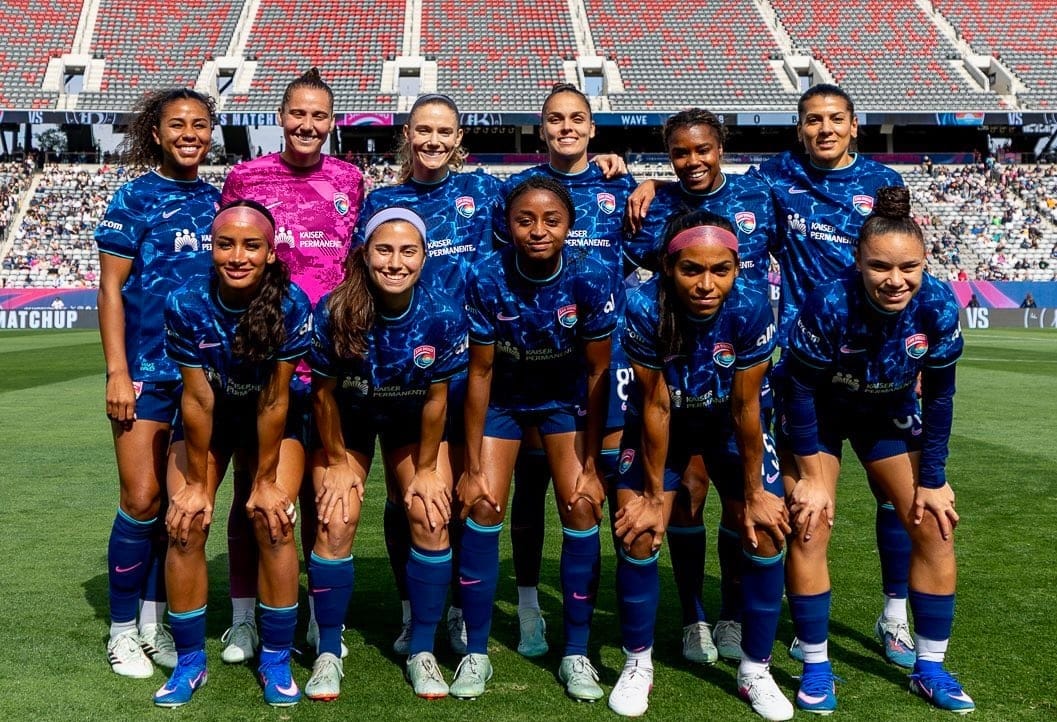
San Diego enters Friday’s rivalry matchup searching for a response after consecutive losses for the first time since opening weekend. The Wave fell 1-0 to Bay FC on Sunday night despite controlling large stretches of the match and creating enough chances to change the result. Bay capitalized early through Racheal Kundananji in the fifth minute after a quick transition sequence caught San Diego exposed defensively, and the Wave spent the remainder of the evening chasing an equalizer that never arrived.
The performance itself was not without positives. San Diego finished with more possession, more shots, more shots on target, and more corners, but struggled to find the finishing touch for a second straight match. Kenza Dali struck the post on a first-half penalty, while Jordan Silkowitz delivered several key saves to preserve Bay’s lead. Fatigue also appeared to play a factor in the Wave’s third match within eight days, particularly in the final third where decision-making and technical execution lacked their usual sharpness. Even so, San Diego remains near the top of the NWSL table and has consistently shown throughout the season that its structure and depth allow it to rebound quickly from difficult stretches.
Player to Watch
Kennedy Wesley has evolved into one of the defining pieces of San Diego’s identity this season. The 25-year-old co-captain continues to anchor the Wave back line while emerging as one of the league’s most complete center backs. Her selection to the NWSL April Best XI reflected the consistency she has brought throughout the campaign, playing every minute during April while combining defensive recovery, aerial dominance, and calm distribution out of the back.
April 17: Kennedy Wesley @USWNT goal in CO
— San Diego Wave FC (@sandiegowavefc) April 26, 2026
Tonight: Kennedy Wesley Wave goal in CO pic.twitter.com/Vynhps6ant
What has stood out most is the balance Wesley now brings to her game. Long recognized for her athleticism and physical defending, she has become increasingly composed in possession within Jonas Eidevall’s system. Her passing accuracy remained above 88 percent throughout April, including an impressive outing against Boston where she completed 93 percent of her passes while helping secure a clean sheet.
Wesley has also delivered in big moments offensively. Against Denver Summit FC, she scored the equalizing header that sparked San Diego’s comeback from two goals down, continuing a remarkable stretch that also included her first goal and assist with the U.S. Women’s National Team during the international window. Her leadership, consistency, and ability to impact matches on both ends of the field have made her one of the foundations of the Wave’s strong start to 2026.
The Formula for Success
Containing Angel City starts with limiting transition opportunities and preventing Sveindís Jónsdóttir from attacking open space. Much of ACFC’s attacking success this season has come when opponents lose shape during turnovers, allowing Jónsdóttir, Prisca Chilufya, and Kennedy Fuller to attack defenders while running forward. San Diego’s defensive structure has generally been one of the strongest in the league during settled phases, but recent matches against Portland and Bay FC showed how dangerous quick vertical attacks can become when the midfield is bypassed too easily.
The Wave will likely need stronger pressure in central areas from players like Laurina Fazer and Kenza Dali to slow Angel City’s buildup before it reaches the wings. Preventing clean service into Jónsdóttir is especially important because ACFC becomes far more dangerous when she can isolate defenders or drive directly toward goal. San Diego’s center back pairing of Kennedy Wesley and Kristen McNabb has consistently handled physical forwards well this season, and their positioning will be critical against Angel City’s aggressive movement in and around the box.
Another key area may be controlling second balls and rest defense after attacking sequences. Angel City has shown a willingness to break quickly after regaining possession, particularly through Kennedy Fuller and Gisele Thompson carrying the ball forward from deeper areas. If San Diego can maintain compact spacing behind the ball and avoid overcommitting numbers into attack, they should be able to force Angel City into slower buildup play rather than the open transitional moments where ACFC has looked most dangerous this season.