Table of Contents
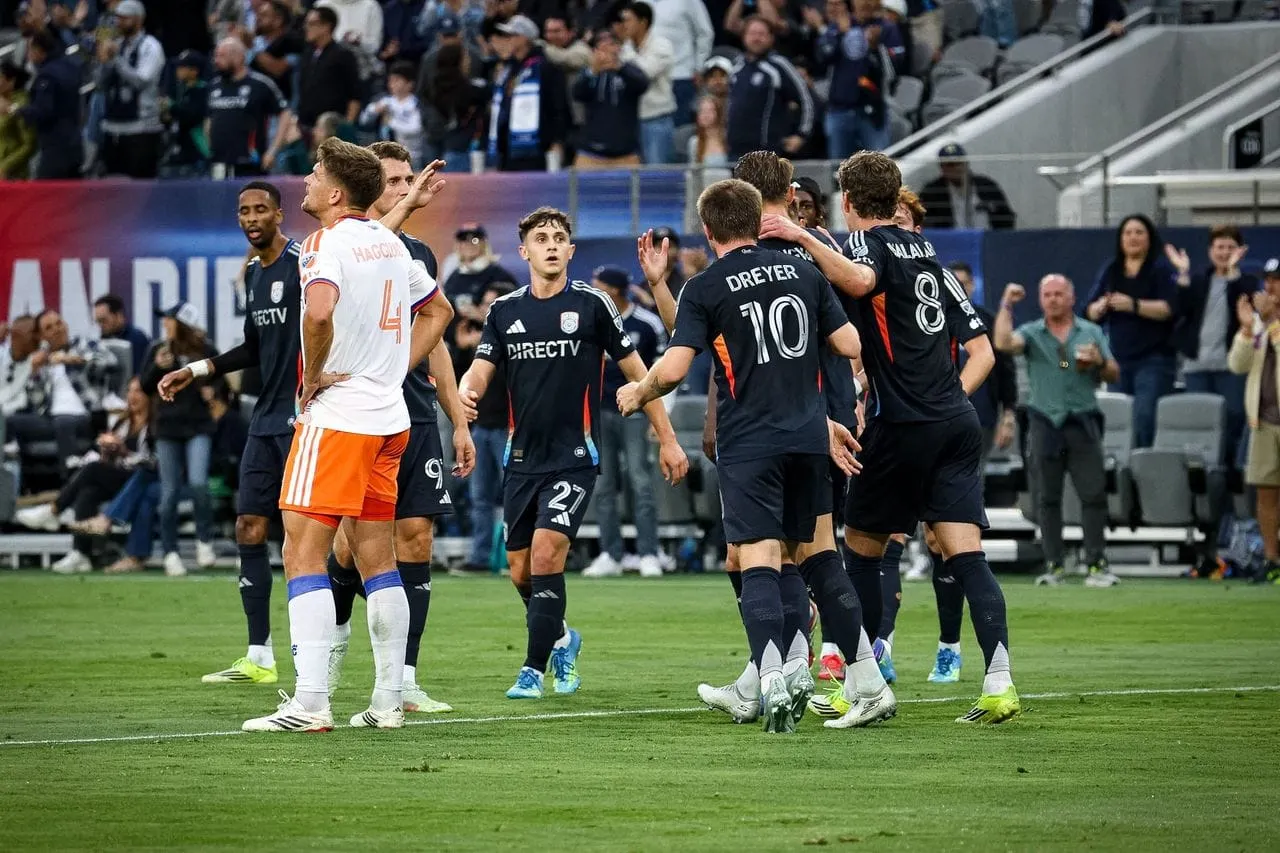
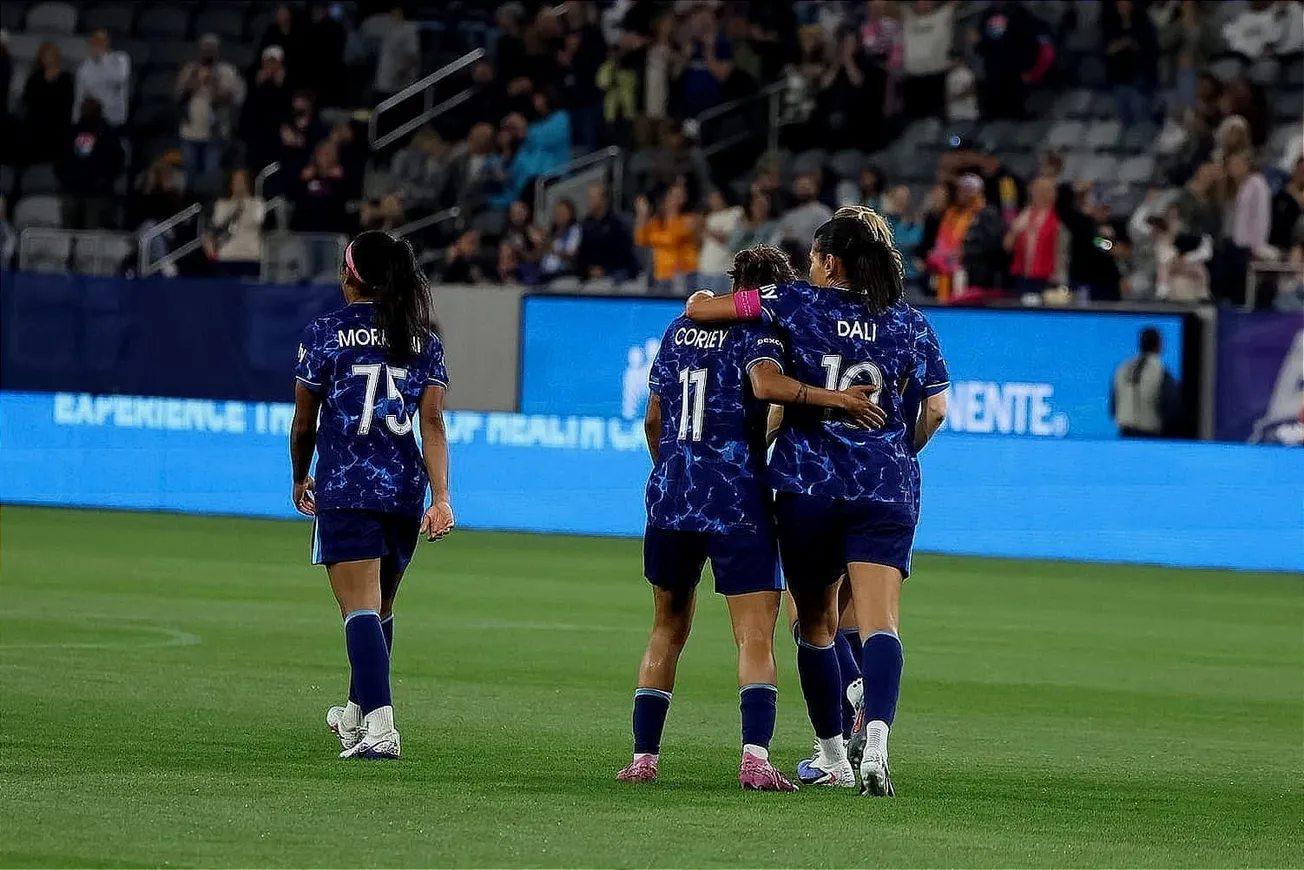
The San Diego Wave are controlling games in new ways. During their current historic four-game win streak, outscoring opponents 8-2, the results have been consistent, but the paths to get there have varied. That versatility may be the clearest sign that this version of the Wave is different.
So what is actually driving it?
A Clearer Identity Is Emerging
Under head coach Jonas Eidevall, the Wave are starting to show a more defined tactical identity. The base shape may look similar on paper, but the way the team operates within it has become far more intentional during this run.
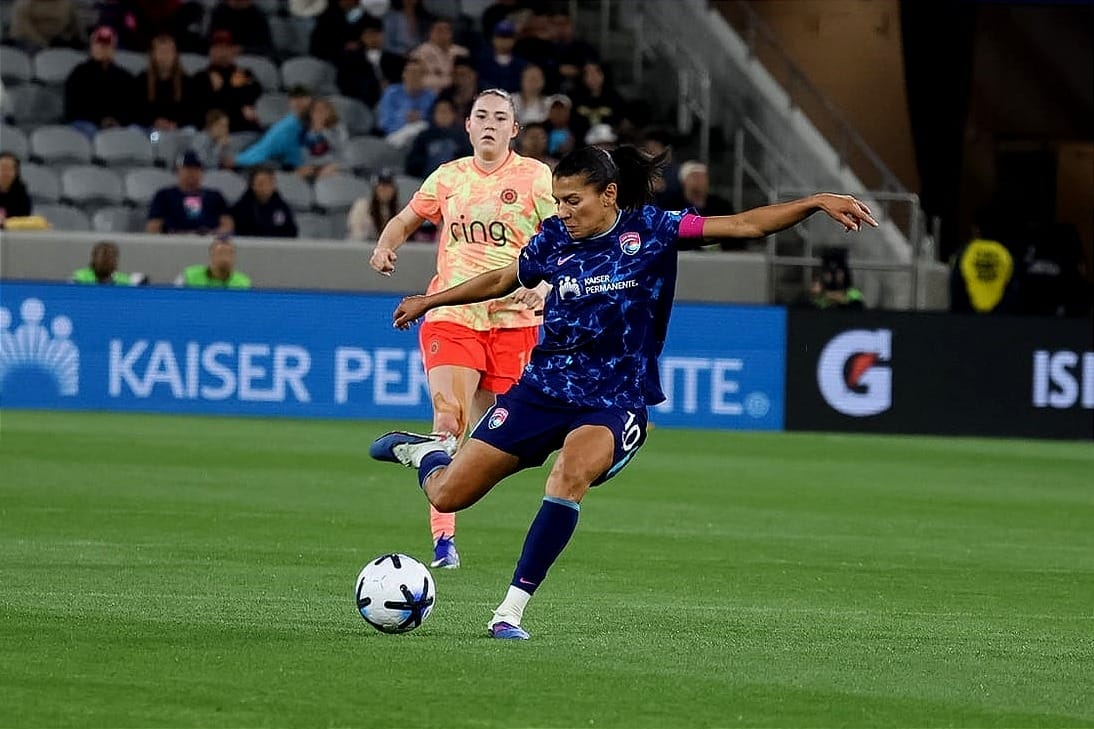
Out of possession, the Wave are pressing with purpose instead of chasing. The front line applies pressure to force quicker decisions, while the midfield stays compact to take away central options. That structure has made opponents far less comfortable, often forcing play wide or into rushed long balls. In the last four games, the Wave outshot the opponent 61-33. Of those shots, 28 were on target for the Wave, and 8 for the opponent.
In possession, there is a noticeable balance between patience and intent. The Wave are not forcing direct attacks every time they win the ball, but they are also not circulating possession without purpose. Instead, they are picking the right moments to progress forward, whether through quick combinations or well-timed vertical passes.
The result is a team that looks more connected from phase to phase. Rather than relying on isolated moments, the Wave are building sequences that link their defensive work to their attacking output. That shift has been a major factor in turning strong performances into consistent results.
The Finishing XI Is Winning Matches
One of the defining features of this win streak has not been who starts games, but who finishes them. Eidevall has emphasized the importance of the finishing XI, and that philosophy is showing up clearly on the field.
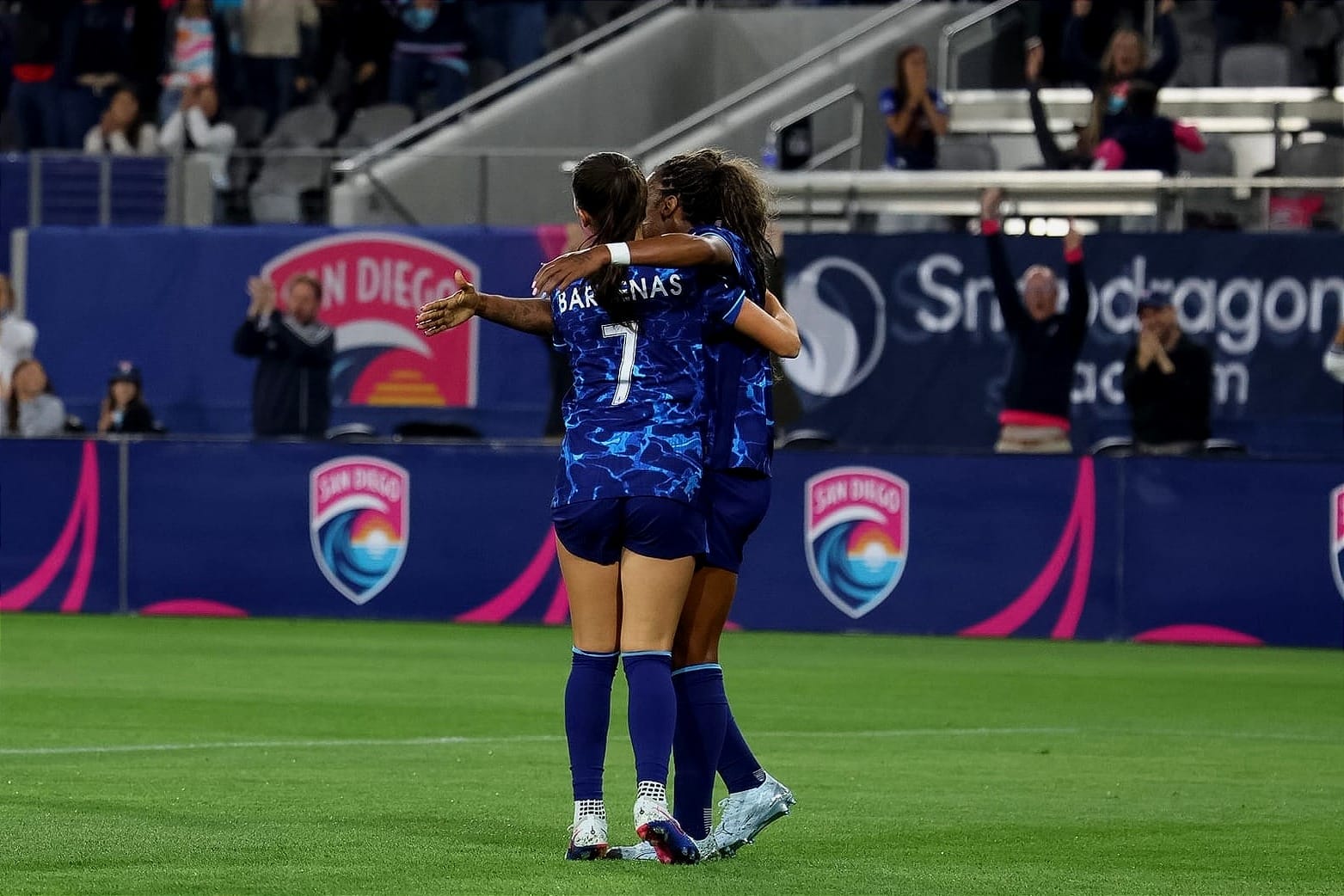
As matches wear on, the Wave are consistently introducing players who change the tempo and direction of the game. Fresh legs against tired defenses are creating space in key areas, and the team is taking advantage with late goals and stronger control in the final stages. This is not just about energy. It is about timing, roles, and putting players in positions where they can immediately impact the match.
% of goals scored late: 50%
Bench Goals: 3
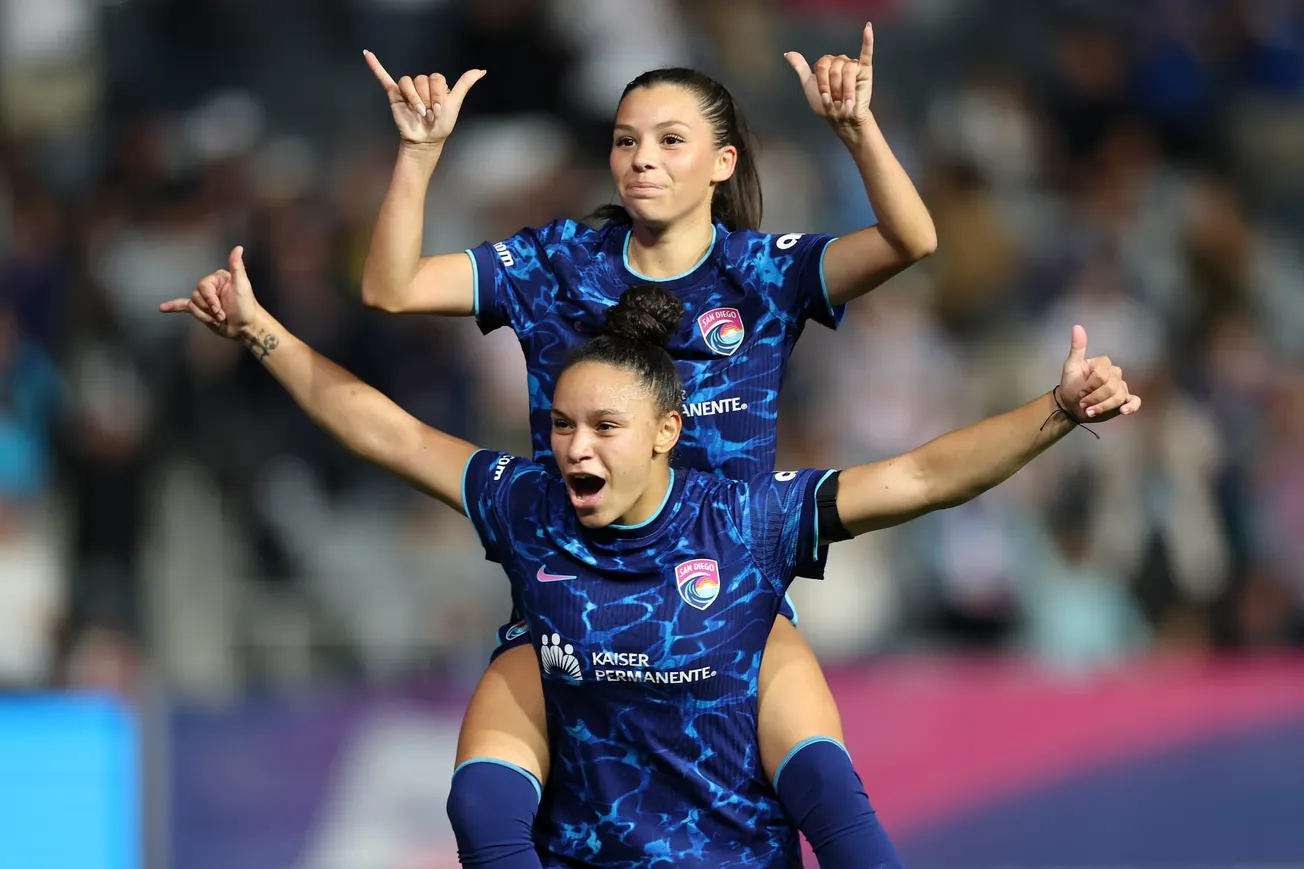
Melanie Barcenas is a clear example, with two late goals so far this season. Coming off the bench, she has provided a direct attacking threat in key moments, helping extend leads and put games out of reach. Her performances highlight how the Wave are using depth as a tactical tool, not just for rotation.
More broadly, the Wave are closing games with authority. Whether protecting a lead or pushing for another goal, the finishing group has executed in high-leverage moments. In a league where matches are often decided late, that edge can be the difference between dropped points and a growing win streak.

Get the best coverage of San Diego FC and San Diego Wave straight into your inbox.
Control and Flexibility in Key Moments
Another key step forward during this run has been the Wave’s ability to manage matches while adapting to different game states. They are not locked into one style, they are reading the game and adjusting accordingly.
Against more physical opponents like Boston Legacy, the match required resilience and composure. The Wave did not try to force control through possession alone, instead matching the tempo and choosing their moments to push forward.
That approach looked different against Chicago Stars, where breaking down a low block became the priority. Chicago sat deep and limited space, forcing the Wave to stay patient. They responded with sustained pressure, finishing the first half with twelve shots while holding Chicago without a single attempt. The breakthrough eventually came through Lia Godfrey, before Melanie Barcenas added a second off the bench.
LIA GODFREY 3 GOALS IN 3 GAMES 🔥 pic.twitter.com/tRjJKxIWZp
— San Diego Wave FC (@sandiegowavefc) March 29, 2026
Whether managing physical moments or breaking down a compact defense, the outcome has been the same. The Wave are staying composed, making better decisions late in matches, and maintaining control as games shift.
That flexibility is making them difficult to prepare for and even harder to stop.
Is This Sustainable?
The question now is whether this run can continue after the international break. Momentum can be difficult to maintain with so many players away, and reintegrating the squad always brings some uncertainty.
At the same time, the foundation built during this stretch suggests this is not just a short-term run of form. The structure in their play, the impact of their depth, and their ability to manage games in different ways all point to something more sustainable.
There are still variables. The integration of new pieces, including Catarina Macario, could shift roles within the squad. Opponents will also begin to adjust with a clearer understanding of how the Wave want to play.
But this stretch has shown that the Wave are building the tools to handle those challenges. If they can maintain this balance between structure, flexibility, and late-game execution, this win streak may end up being less of a peak and more of a foundation for what comes next.
happy but not content 💯 pic.twitter.com/OCijVkxBxZ
— San Diego Wave FC (@sandiegowavefc) April 4, 2026