Table of Contents
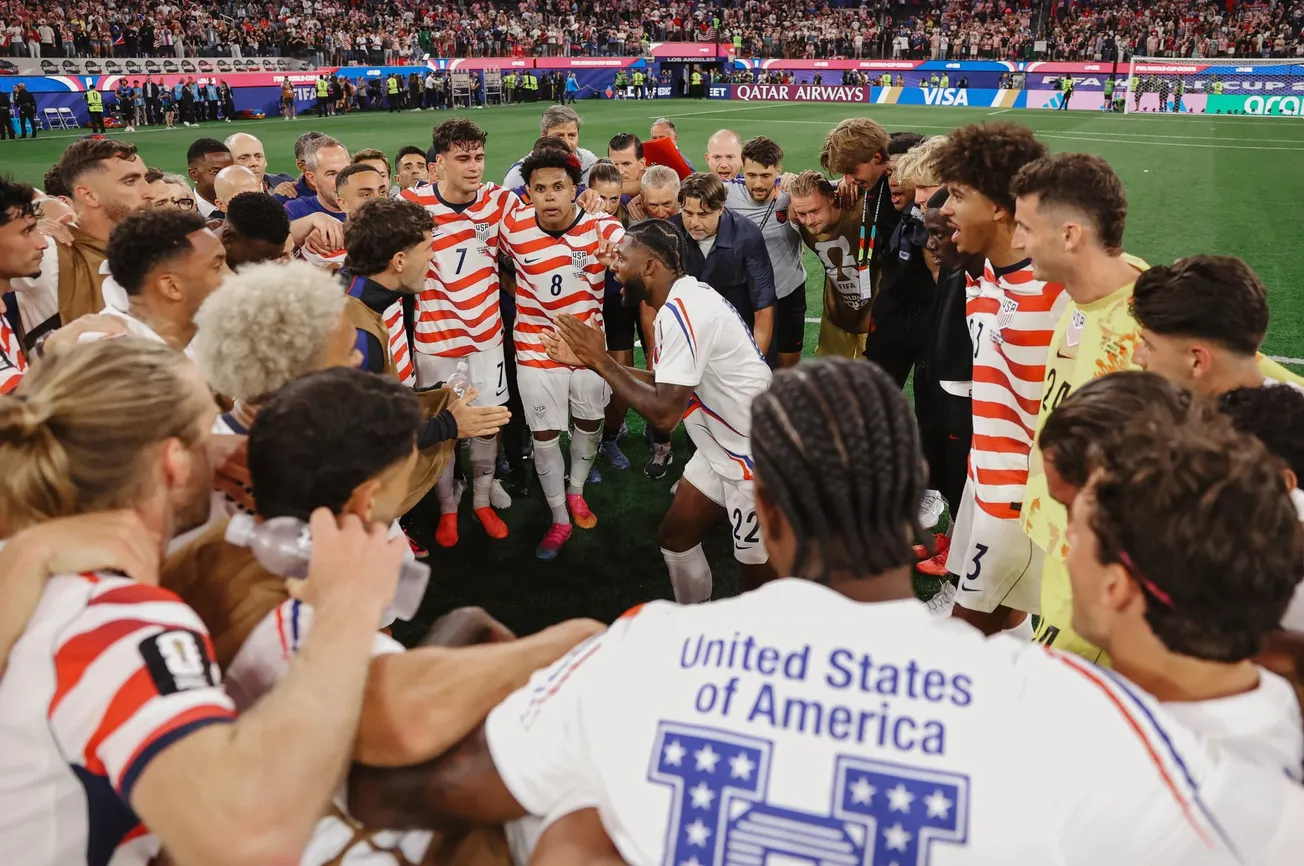
One match into the 2026 FIFA World Cup, the United States couldn't have asked for a better start. Mauricio Pochettino's side dismantled Paraguay 4-1 with one of the most complete performances in program history, combining fluid attacking football with relentless pressing and defensive control.
Now comes a very different challenge.
Australia arrives in Seattle full of confidence after a surprising 2-0 victory over Türkiye, and unlike Paraguay, the Socceroos aren't expected to leave much space for the U.S. attack. A win would send the Americans into the knockout stage and likely secure first place in Group D, making Friday's match one of the biggest of the tournament so far.
Expect a Completely Different Tactical Battle
Against Paraguay, the United States constantly found space behind the defense. Paraguay defended in more of a mid-block, allowing Christian Pulisic, Sergiño Dest, Weston McKennie and Folarin Balogun to make penetrating runs into open channels.
Australia won't give them that luxury.
Tony Popovic's team is expected to defend in a compact 5-4-1 shape, sitting much deeper than Paraguay did. Their objective will be simple: clog the middle of the field, force the U.S. wide, and make every scoring opportunity difficult to create.
Antonee Robinson expects a completely different type of match.
"The Paraguay game... was a little bit more open," Robinson said. "Australia seemed pretty happy being comfortable in the low block. They've obviously got big, strong defenders, so that will be difficult to break down."
Türkiye learned that lesson the hard way. Despite dominating possession and firing over 25 shots, they created very few clear-cut chances against Australia's disciplined defensive block.
Will Pochettino Stick with the Same Formation?
Expect Pochettino to stay with the same possession structure that overwhelmed Paraguay.
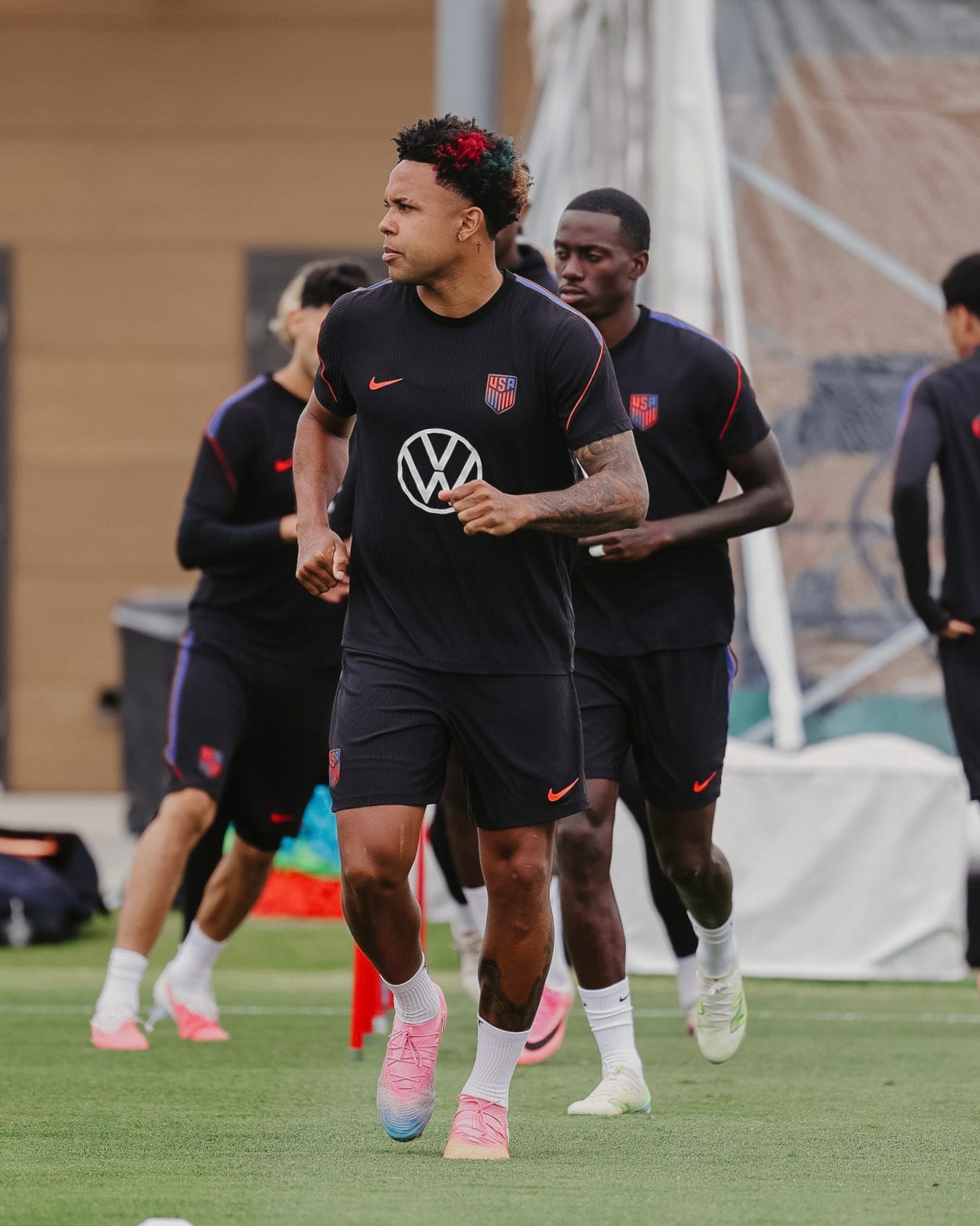
Out of possession, the United States will likely defend in a 4-4-2 shape before shifting into its familiar 3-2-5 when building attacks. Chris Richards should again step into a back three while Tyler Adams and Malik Tillman control the midfield underneath an aggressive front five.
The biggest question isn't the formation—it's how the movement changes.
Against Paraguay, constant rotations between Dest, McKennie, Pulisic and Tillman repeatedly pulled defenders out of position. Australia will be far less likely to chase runners, meaning the U.S. must be more patient while looking for overloads out wide and quick combinations around the edge of the penalty area.
Sergiño Dest Could Be the Key
If Australia keeps the middle of the field crowded, the wings become even more important.
That's where Sergiño Dest could take center stage.
Dest quietly had an outstanding World Cup opener, constantly creating width while picking his moments to attack defenders one-on-one. Against Australia's back five, those individual duels may become one of the Americans' best ways to break open the game.
If Dest can consistently beat the first defender, Australia's compact shape begins to stretch, opening passing lanes for Balogun, McKennie, and late-arriving midfield runners.
On the opposite side, Robinson's overlapping runs will once again be vital. His partnership with Pulisic created several dangerous moments against Paraguay, and similar combinations could force Australia's wingbacks into difficult decisions.
Get the best coverage of San Diego FC and San Diego Wave straight into your inbox.
Balogun Must Stay Patient
After scoring twice against Paraguay, Folarin Balogun enters Friday full of confidence.
But unlike the opener, he probably won't find much room behind Australia's defensive line.
Instead, Balogun's movement inside the penalty area becomes even more important. Australia's center backs, led by Harry Souttar, dominate aerial battles and rarely lose their defensive shape. Rather than trying to outrun them, Balogun may need to rely on quick changes of direction, near-post runs, and clever link-up play to create openings.
If the U.S. scores early, however, everything changes. Australia would be forced to push higher, creating exactly the type of space Balogun thrives in.
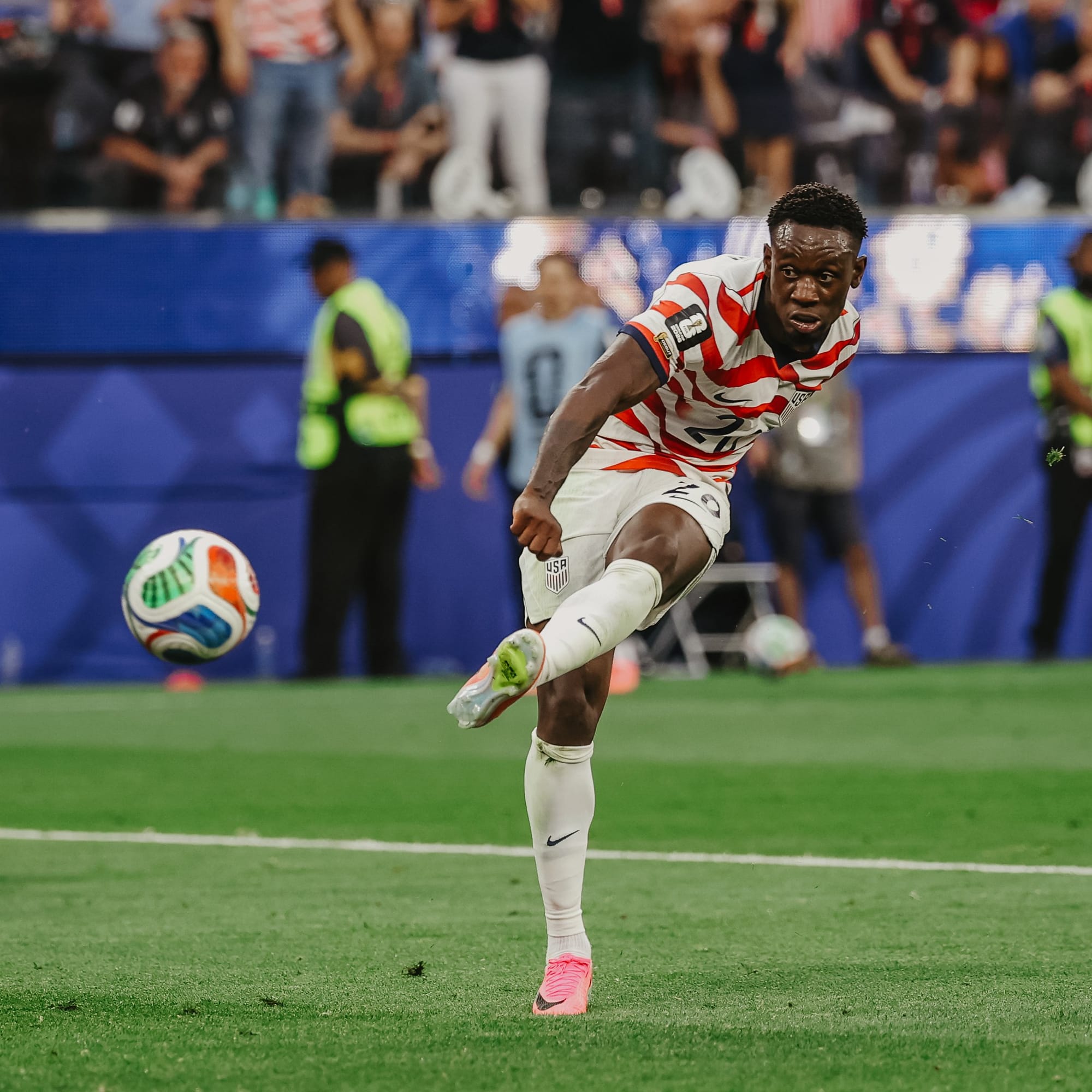
The Christian Pulisic Question
One storyline worth watching is Christian Pulisic's fitness.
After leaving the Paraguay match at halftime with a calf issue, the U.S. captain has been limited in training and remains day-to-day. Tyler Adams has expressed confidence that Pulisic will be available, but if he cannot start, Pochettino loses his best one-on-one attacker.
That would place even more responsibility on Dest and McKennie to generate creativity in wide areas while asking Tillman to carry a larger share of the attacking burden between the lines.
Patience Will Win This Match
The biggest mistake the United States could make is becoming frustrated.
Australia wants opponents to force crosses, rush attacks, and commit numbers forward. That creates transition opportunities for dangerous attackers like Nestory Irankunda while allowing the Socceroos to stay comfortable defending in numbers.
Instead, expect the U.S. to dominate possession once again while patiently probing for openings.
The Americans have more technical quality across the field, but Friday's match will require a different kind of performance than the one against Paraguay. It may not produce four goals or constant highlight-reel moments.
Instead, it will likely come down to discipline, creativity in tight spaces, and taking advantage of the few clear chances Australia is willing to concede.
If Pochettino's side can do that, they'll be headed to the knockout rounds with maximum points—and plenty of momentum.